Installed Cost per Square Foot
The standard price range assumes a project of at least 1,000 square feet. Smaller pours cost more per foot because minimum material batches still have to be mixed.
At Mesa Rubber Flooring, we quote poured-in-place rubber after a site walk because depth, materials, and ground conditions determine the price. In Mesa, standard installations typically run $9-$18 per square foot for projects of 1,000 square feet or larger, while high-end safety-engineered installations can reach $20-$30+ per square foot. Understanding the scope behind those ranges helps you compare quotes before approving work.
The standard price range assumes a project of at least 1,000 square feet. Smaller pours cost more per foot because minimum material batches still have to be mixed.
A 1-inch base uses less material than a 2.5-inch base. Required fall height determines the depth, while custom EPDM colors and polyurethane binder choice add to the cost.
Have the site measured and the existing surface assessed before comparing bids. Confirm the specified depth, color blend, binder, and preparation work in the written quote.
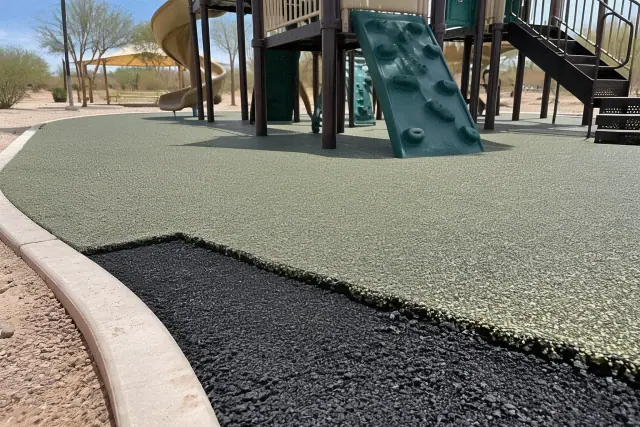
A recycled SBR cushion sits below the colored EPDM wear layer. The base depth changes material use and the scope of a playground installation.
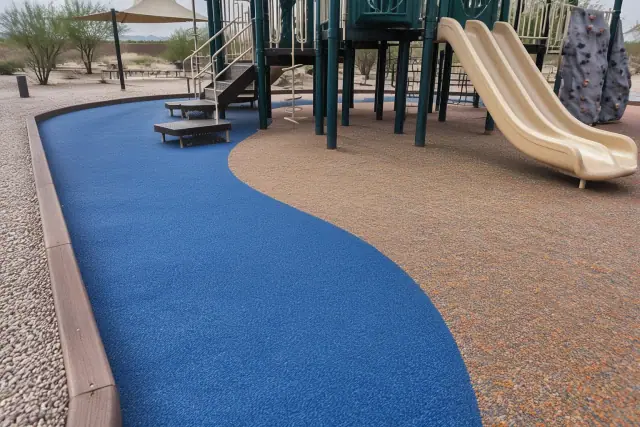
A plain EPDM finish and a surface with graphics require different amounts of labor. Color blends, logos, and game markings help explain why otherwise similar playground quotes differ.
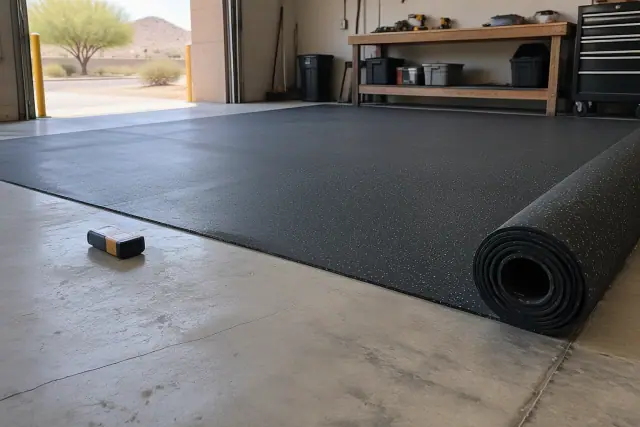
Existing concrete needs a check for major cracks and moisture problems before an overlay. Cleaning, priming, and necessary repairs affect preparation costs.
Confirm the measured area and whether the job is a small pour. Minimum batching can raise the unit price even when the total area is lower.
Aliphatic polyurethane costs more than aromatic binder but better resists UV yellowing. We use UV-stable aliphatic binders as standard practice on outdoor pours in Mesa.
Grading, base rock compaction, drainage, and demolition add work before pouring begins. Mesa's monsoon downpours make drainage planning part of the installation scope.
A reseal renews an existing surface without replacing its full depth. Tear-out and repouring return the project to installation-level pricing, so compare the proposed work carefully.
| Surface or work | Typical cost per square foot | Scope to compare |
|---|---|---|
| Standard poured-in-place playground rubber | $9-$18 | Installed range for projects of 1,000 square feet or larger; depth and preparation affect the quote. |
| Basic single-color playground rubber | $12-$18 | Basic single-color installation; confirm the specified depth and site preparation. |
| Custom multi-color poured rubber | $20-$30+ | Custom designs or graphics add material and labor; high-end safety-engineered installations can also reach this range. |
| Existing poured rubber reseal | $1-$1.50 | Approximate recoat cost only; excludes full-depth replacement. |
| Rolled rubber flooring | $3-$7 | Rubber flooring option for gyms and garages; a different scope from an on-site poured system. |
| Rubber floor tile installation | $4-$9 | Interlocking tile option; compare the installation scope with poured rubber. |
| Anti-fatigue rubber flooring | $2-$6 | Rubber flooring for industrial and commercial standing areas. |
| Concrete | $5-$10 | Lower upfront cost than poured rubber; does not provide rubber's cushioning. |
These ranges cover different applications and work scopes. Smaller poured projects cost more per foot because of minimum batching; confirm depth, binder, preparation, and removal work in the site-specific quote.
Poured-in-place rubber, or PIP, is mixed and troweled on-site as a two-layer surface. Recycled SBR (styrene-butadiene rubber) buffings form the shock-absorbing base, bonded with polyurethane; colored EPDM granules form the wear layer. That installation differs from laying manufactured rolls or interlocking tiles, which are common lower-cost choices for gyms and garages. Playground work requires a depth specification tied to the equipment's fall height. A quote should make the rubber layers, binder, and groundwork clear so a lower square-foot price does not hide a different scope.
Playground base depths can range from 1 to 3.5 inches, depending on required fall height. For equipment with a 3-foot or an 8-10-foot fall height, confirm the selected product's tested depth specification and have it documented in the quote. Custom color blends and graphics require additional work, while binder quality and proper cure time matter under Mesa's intense sun and triple-digit summer heat. Drainage slope, compacted base rock, and removal of old surfacing can also change the total. For sites near Red Mountain Park or in Las Sendas, assess those conditions before using a square-foot range to set the budget.
How long does poured rubber last? Typically 10-15 years when correctly installed and maintained. How often does it need resealing? Roughly every 5-8 years, depending on UV exposure and traffic, alongside debris removal and periodic washing. Can rubber go over existing concrete? A structurally sound slab can accept an overlay after cleaning and priming, but major cracking or moisture problems need attention first. What drawbacks should I budget for? Installation takes longer than laying vinyl or carpet, and new rubber can carry a mild odor for the first couple of months. Correct joint detailing, textured finishes in wet areas, and adequate ventilation during cure help address water entry, slippery worn surfaces, and odor.
Share the intended use, location, and condition of the existing surface. We provide on-site measurements and written quotes for playgrounds, gyms, garages, and commercial spaces throughout Mesa and the East Valley, with depth and preparation confirmed before work begins.