Proudly serving Mesa, Gilbert, Chandler, Tempe, Scottsdale, Queen Creek & surrounding areasCall or Text 24/7: 480-319-7553
Aerial drone view of suburban neighborhoods and desert landscaping in Mesa, AZ.

Gym & Home Gym Rubber Flooring in Chandler, AZ for Homes & Fitness Centers

Mesa Rubber Flooring installs gym and home gym rubber flooring in Chandler, AZ, for homeowners, gym owners, and facility managers. We fit garage rubber flooring and rolled rubber to the equipment, room layout, and daily use. Our services also include interlocking tiles, commercial flooring, playground surfacing, and repair or replacement of worn rubber.

Chandler's summer heat, direct sunlight, and monsoon humidity swings put extra stress on garage and gym floors. Thin mats, lifting seams, and weak adhesive bonds can leave a training space needing repairs before the equipment wears out. We inspect the slab and assess equipment loads before recommending material thickness and installation method. Call to arrange a walk-through before buying flooring.

We serve Ocotillo, Fulton Ranch, Downtown Chandler, Sun Groves, Carino Estates, and the Price Road corridor. Projects range from spare-room gyms to corporate wellness rooms, playgrounds, and industrial work areas.

★ ★ ★ ★ ★4.9/5 Customer Rating - 19 Years of Flooring Experience - 1,000+ Flooring Projects Completed - Licensed, Bonded & Insured - Residential & Commercial Flooring
Rubber Flooring Services

Rubber Flooring Installation & Repair in Chandler, AZ

Choose a surface for the way the space works: controlled cardio use, dropped weights, standing workstations, or outdoor play. We supply and install rubber flooring, with slab preparation and seam treatment matched to the selected product.

Gym & Home Gym Rubber Flooring

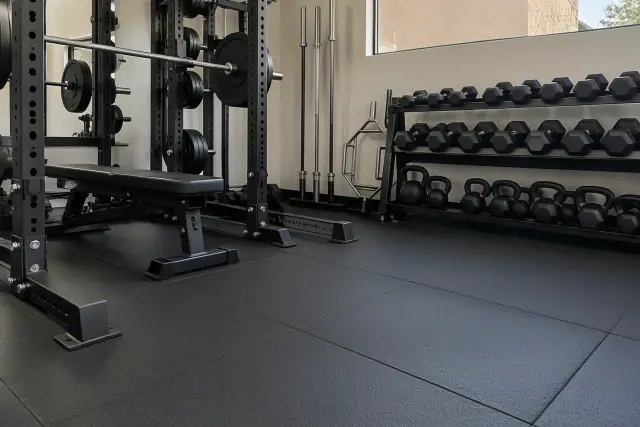
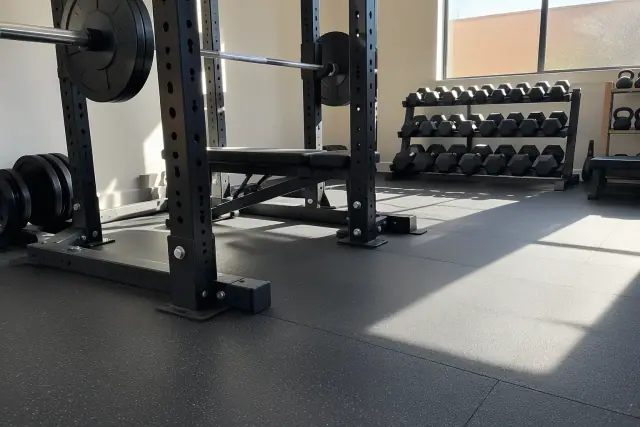
Black rubber gym flooring installed under barbell racks in Chandler, AZ.

We install rolled rubber and interlocking tiles from 3/8 inch to 3/4 inch thick, matching density to squat racks, cardio equipment, and lifting areas. Home gym layouts can use separate surfaces for walking and weight training. Explore Service »

Explore Service

Garage Rubber Flooring

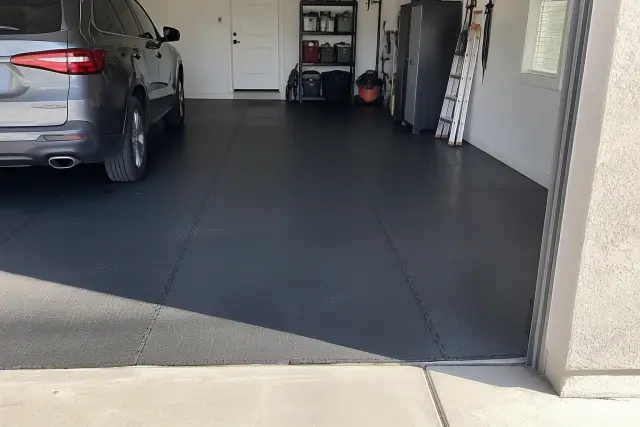
Interlocking heavy-duty rubber flooring installed in a garage in Chandler, AZ.

Garages that double as gyms or workshops need rubber selected for sun exposure and everyday spills. We install formulations that resist UV fading, heat softening, motor oil, tire rubber, and common garage drips. Explore Service »

Explore Service

Rolled Rubber Flooring

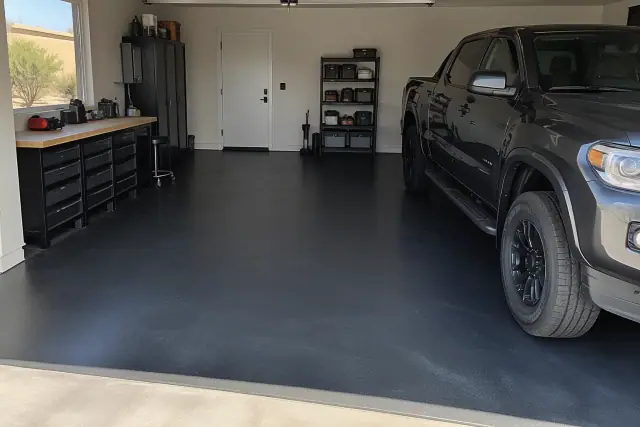
Rolled rubber flooring installed in a residential garage in Chandler, AZ.

Rolled rubber creates fewer seams across large weight rooms and CrossFit spaces. Typical thicknesses range from 1/4 inch to 3/4 inch, with installed costs of $3 to $10 per square foot; we cut and adhere seams to manufacturer specifications. Explore Service »

Explore Service

Rubber Floor Tile Installation

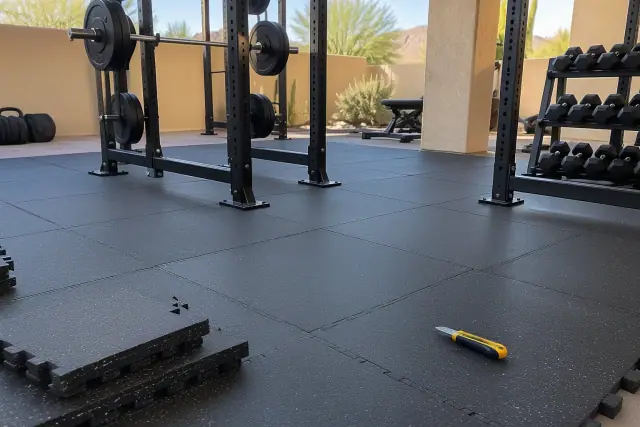
Rubber floor tile installation in a commercial fitness weightlifting zone in Chandler, AZ.

Interlocking tiles suit home gyms where individual pieces may need replacement or relocation. Typical thicknesses range from 3/8 inch to 1 inch, with installed costs of $2 to $7.50 per square foot depending on the selected product.

Commercial Rubber Flooring

Heavy rubber flooring installed under barbell racks in a Chandler, AZ gym.

Fitness studios and corporate wellness rooms along the Price Road corridor can see hundreds of members pass through each day. We install commercial-grade athletic rubber rated to ASTM F2772, with welded or fully adhered seams in high-traffic areas.

Playground Rubber Surfacing

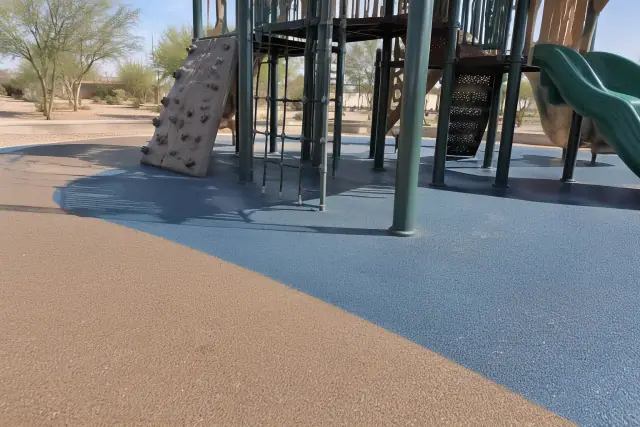
Playground rubber safety surfacing installed beneath an outdoor climbing set in Chandler, AZ.

School and park playgrounds need impact protection and accessible travel across the play surface. We install poured rubber surfacing engineered to meet ASTM F1292 impact attenuation requirements and ASTM F1951 wheelchair accessibility standards.

Poured-in-Place Rubber Flooring

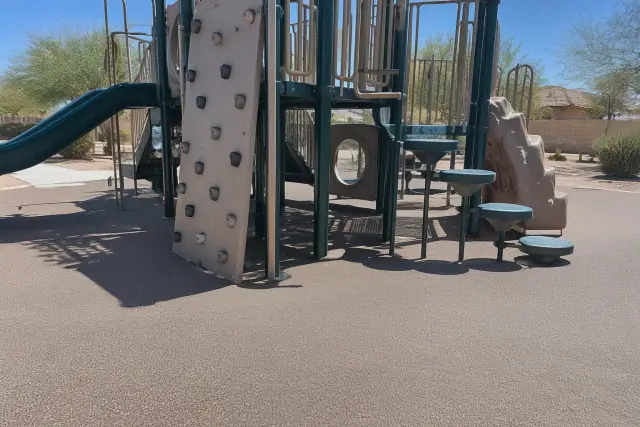
Poured-in-place rubber safety surfacing under a playground climbing set in Chandler, AZ.

We mix EPDM rubber granules with polyurethane binder on site and trowel a jointless surface for playgrounds and accessible paths. Typical poured-in-place thicknesses range from 3/8 inch to 2 inches, with installed costs of $8 to $17 per square foot.

Industrial Rubber Flooring

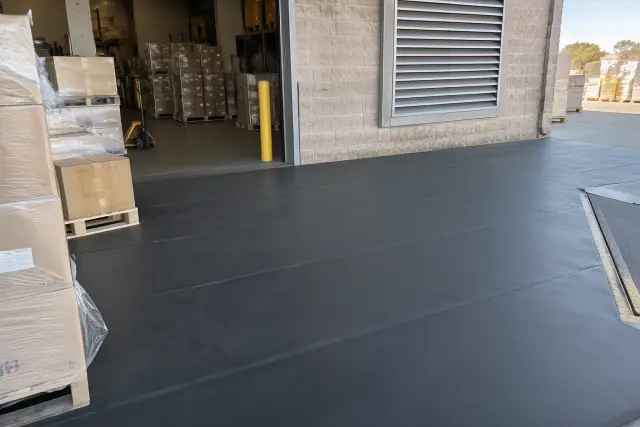
Industrial rubber flooring installed in a warehouse shipping zone in Chandler, AZ.

Warehouses and manufacturing areas need flooring selected for forklift traffic and the work performed on the floor. Electronics assembly areas may also require static-dissipative properties, which we consider when specifying industrial rubber.

Anti-Fatigue Rubber Flooring

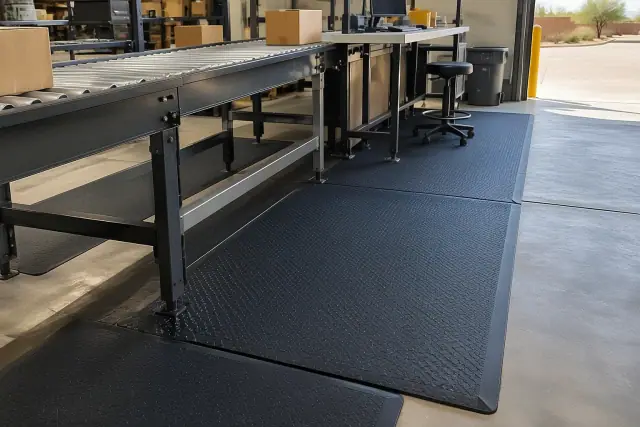
Anti-fatigue rubber flooring installed by a manufacturing workstation in Chandler, AZ.

Cushioned mats and wall-to-wall anti-fatigue rubber help reduce the strain of standing on concrete through long shifts. We fit these surfaces to manufacturing workstations and quality control areas.

Rubber Flooring Repair & Replacement

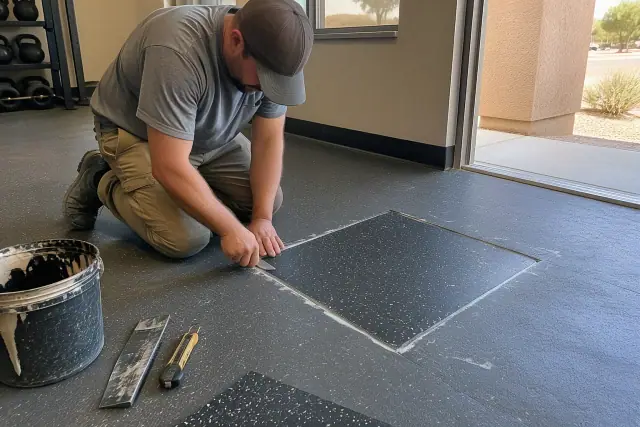
Technician repairing commercial sheet rubber flooring by cutting and replacing a torn section in Chandler, AZ.

We assess torn seams, equipment gouges, and lifted edges to decide whether a local repair or full replacement makes sense. Replacement work can include removal of old rubber, foam, or carpet tile and scraping adhesive residue from the slab.

Choosing Your Floor

Match Your Rubber Floor to the Space & Equipment

Thickness is only part of choosing rubber flooring. The equipment, sunlight, installation method, maintenance needs, and condition of the concrete all affect which material fits your project.

Match Thickness to Equipment

For garage and spare-room gyms, we typically recommend 1/2-inch interlocking tiles or rolled rubber in the 8mm to 3/8-inch range. Regular barbell drops call for heavier stock, usually 3/4-inch rolled rubber or stall mats, with a dedicated deadlift platform where needed.

Compare Installed Project Costs

Home gym rubber flooring generally runs $3 to $12 per square foot installed, depending on thickness and grade. A typical 400-square-foot home gym costs $1,200 to $4,800 installed, with slab preparation affecting the total.

Choose Floating or Adhered Flooring

Interlocking edges and some rolled products allow loose-lay installation for lighter home gym use. Full-spread adhesive helps prevent shifting in busy commercial rooms, while perimeter adhesive is another option when the product and use support it.

Plan for Direct Sun Exposure

Open garage doors can expose the same part of a floor to sunlight for hours. For south- or west-facing installations, we select heavier-duty stock and UV-resistant formulations to address fading and heat-related wear.

Check the Concrete Before Ordering

Moisture, cracks, and uneven areas can change the preparation needed under rubber. Existing epoxy or sealant may need grinding or a bonding primer before adhesive will hold, so we inspect the slab before quoting.

Consider Future Repairs & Moves

Puzzle-style tiles can be moved later and allow individual pieces to be replaced if damaged. Rolled rubber gives larger rooms a surface with fewer seams, but handling and cutting rolls generally takes two people.

Heat, Wear & Floor Damage

Common Rubber Flooring Problems & Repairs

A damaged floor may have a material problem, an installation problem, or an issue in the slab underneath. We inspect the affected area before recommending a patch, tile swap, seam repair, or full replacement.

Request a Floor Assessment

Heat-Softened Mats

Chandler's Sonoran Desert summers regularly bring highs above 110°F, and garage slab surfaces routinely exceed 140°F in July and August. That stored heat can soften cheap PVC mats and weaken adhesive bonds, making material selection especially important.

UV Fading & Brittle Rubber

Prolonged direct sunlight can fade lower-grade rubber and leave exposed areas brittle. Open-door garages need attention to where the sun reaches the floor and whether the product is formulated for that exposure.

Lifted Edges & Torn Seams

Shifting flooring and lifting edges interrupt a flat walking surface, especially where equipment carts pass. We check the seam fit and adhesion, then repair or replace the affected section.

Moisture at Seams & Perimeters

Monsoon humidity swings and day-to-night temperature changes add stress at flooring joints. We assess the slab and apply protective sealant at seams and perimeter edges to help block moisture intrusion.

Gouges from Dropped Equipment

Dropped weights can gouge rubber that is too thin for the activity. Local repairs or replacement pieces address the damage, while a thicker lifting area helps protect the concrete below.

Old Glue & Coated Concrete

Dried adhesive, epoxy, and sealant can interfere with a new floor's bond. Replacement may require scraping, grinding, or a bonding primer before new rubber goes down.

Local Installation Experience

Why Choose Mesa Rubber Flooring for Your Project

Chandler grew from 236,123 residents in 2010 to 275,987 in the 2020 census, alongside new home gyms, tenant fit-outs, and multifamily fitness centers. We bring experience with residential garages, CrossFit spaces, corporate wellness rooms, and playground surfacing to these different flooring needs.

Licensed, Bonded & Insured

Mesa Rubber Flooring operates as a licensed rubber flooring installer through the Arizona Registrar of Contractors. We carry bonding and insurance for our Chandler jobs.

Manufacturer-Specified Installation

Our crews follow product-specific directions for adhesive selection, cure times, and seam treatment. Each installation method is chosen for the rubber product and intended room use.

Experience Across the East Valley

We work throughout Chandler, including the Price Road tech corridor near Intel and Northrop Grumman. For property managers planning flooring in Chandler and Tempe, AZ , our service area includes both cities.

From Slab Inspection to Walk-Through

Our Rubber Flooring Installation Process

We measure the space, check the concrete, and match the flooring to its use before installation begins. The work finishes with a review of seams, transitions, and any remaining subfloor concerns.

01.

Inspect & Measure the Space

We inspect the slab for moisture, cracks, and level differences, then measure the room. Equipment placement and the condition of existing flooring guide the quote and preparation plan.

02.

Select the Material & Method

We choose rolled rubber, interlocking tiles, or poured rubber according to the project. Equipment loads, traffic, and sun exposure help determine the thickness and whether flooring needs adhesive or a loose-lay approach.

03.

Remove Flooring & Prepare the Slab

When replacing a floor, we remove and haul away old rubber, foam, or carpet tile. We scrape adhesive residue and address coated concrete with grinding or a bonding primer where needed.

04.

Fit & Install the Rubber

We order material for the measured layout and cut it to fit the room. Installation may use full-spread adhesive, perimeter adhesive, interlocking edges, or EPDM granules and binder mixed on site.

05.

Finish Seams & Edge Transitions

We cut and fit seams tightly, double-cutting where rolls meet for a close joint. Seam adhesion and transitions between surfaces receive attention before the final inspection.

06.

Review the Finished Floor

We walk through the installation to check seam adhesion, edge transitions, and flatness. Any subfloor issue that could not be fully resolved is explained so you know what to expect over time.

Practical Flooring Benefits

Rubber Flooring for Training, Work & Play

Case Study 1: Home gym training: Equipment-matched rubber adds shock absorption under a workout area. Individual interlocking tiles make localized damage easier to address without replacing the entire floor.

Case Study 2: Shared-wall fitness spaces: Upgrading thin mats to commercial-grade rubber improves shock absorption and noise reduction. Those benefits matter in fitness centers sharing walls with other tenants.

Case Study 3: Playgrounds and accessible paths: Poured rubber provides a jointless surface with impact protection and wheelchair accessibility considered in the specification. On-site mixing and troweling suit connected play and circulation areas.

Plan Your Flooring Project

Request a Rubber Flooring Estimate

Tell us how you use the space, what equipment will sit on the floor, and whether old flooring needs removal. Call Mesa Rubber Flooring to arrange a Chandler site assessment and discuss material, preparation, and installation options.

Rubber Flooring Questions

Rubber Flooring FAQs for Chandler, AZ

Find answers about buying rubber flooring, comparing materials, preparing concrete, and maintaining a gym floor in Chandler. Project details such as traffic, sunlight, and equipment loads help narrow the right choice.

Call Our Experts

Mesa Rubber Flooring supplies and installs gym rubber flooring directly. We stock rolled rubber, interlocking tiles, and stall mats in multiple thicknesses and can arrange specialty products for larger projects. Measuring the space before ordering helps match the quantity and material to your equipment.

Home gym installations generally run $3 to $12 per square foot, depending on thickness and grade. The total also depends on floor area, old flooring removal, adhesive residue, cracks, and moisture-related preparation. Dedicated lifting platforms and commercial project requirements can change the scope.

Interlocking tiles suit rooms where moving the flooring or replacing individual pieces matters. Rolled rubber offers fewer seams across larger spaces. For regular loaded-barbell drops, we recommend thicker stock or a dedicated lifting platform based on the equipment and slab.

New rubber can have a noticeable odor that usually fades over one to two weeks, and some people are sensitive to it. Rubber is heavier to handle than foam tile, and lower-grade products can fade or become brittle in prolonged direct sun. Product selection and ventilation are worth discussing before installation.

No, some rolled products and interlocking tiles can be installed as a floating floor for lighter home gym use. Full-spread adhesive is recommended for heavy commercial foot traffic or areas with frequent equipment-cart movement. We match the method to the product and how the room will be used.

Quality rubber flooring typically lasts 10 to 20 years with normal gym use, depending on thickness and traffic. Direct sun and heat can shorten that lifespan, especially with products that are not UV-stabilized. We select UV-resistant formulations for exposed south- and west-facing installations.

An existing epoxy or sealed surface needs inspection before deciding how to install rubber. Grinding or a bonding primer may be needed for adhesive to hold. We also check the slab for moisture, cracks, and uneven areas before quoting.

Often, a torn seam, gouge, or lifted edge can be patched or addressed by replacing the affected section. Interlocking tiles and stall mats may allow an individual piece to be swapped. We assess the extent of damage before recommending a spot repair or full replacement.

Poured-in-place rubber is mainly used for playgrounds and accessible paths. EPDM granules and polyurethane binder are mixed and troweled on site to form a jointless surface. Playground specifications need to account for impact attenuation and wheelchair access.

For changes affecting occupancy or accessibility, confirm permit review with Chandler's Building Safety Division under the locally adopted International Building Code. Commercial project planning should address ADA-compliant transitions and slip resistance. The flooring specification also needs to reflect traffic and equipment use.

Warehouse and manufacturing projects need to consider forklift traffic and OSHA 1910.22 walking-working surface requirements. Electronics assembly areas may also call for static-dissipative properties. Standing workstations can use cushioned anti-fatigue rubber suited to their layout.

Regular cleaning and ventilation help support the service life of rolled rubber and tile. Pay attention to lifted edges, torn seams, or damaged pieces so they can be assessed for repair. In exposed garages, the rubber formulation and direct sunlight also affect long-term performance.

We serve Ocotillo, Fulton Ranch, Downtown Chandler, Sun Groves, Carino Estates, and the Price Road corridor. Nearby service areas include Gilbert, Mesa, Tempe, Ahwatukee, Sun Lakes, and Queen Creek. We also consider commercial and industrial projects elsewhere in Maricopa County when the scope supports the travel.

Upgrading thin mats to commercial-grade rubber can improve shock absorption and noise reduction. That is useful for fitness centers in shared-wall and multi-tenant buildings. We consider lifting activity and dedicated platform zones when planning the floor.

We apply protective sealant at seams and perimeter edges to help block moisture intrusion. Those joints deserve attention where temperature changes and monsoon humidity stress the material. Seam adhesion and edge transitions are also checked during the final walk-through.