Proudly serving Mesa, Gilbert, Chandler, Tempe, Scottsdale, Queen Creek & surrounding areasCall or Text 24/7: 480-319-7553
Aerial drone view of suburban neighborhoods and desert landscaping in Mesa, AZ.

Gym & Home Gym Rubber Flooring in Apache Junction, AZ for Studios & Workout Rooms

Mesa Rubber Flooring installs gym and home gym rubber flooring throughout Apache Junction, AZ. We also fit garage rubber flooring and rolled rubber surfaces for workout spaces, studios, and commercial facilities. Our work includes material selection, slab preparation, installation, and rubber flooring repair or replacement.

Desert heat, monsoon dust, and daily temperature changes put extra demands on concrete slabs and flooring adhesives. A garage near Superstition Mountain needs material choices that account for sunlight and climate control as well as the equipment inside. We check slab moisture, assess training loads, and plan seams before installing the floor. Call to discuss your space, budget, and timeline so the recommendation fits how you will use the room.

We work across the Pinal and Maricopa County portions of Apache Junction, including Superstition Vistas and properties along the Peralta Trail corridor. Measurements and a written quote help you understand material and preparation costs before work starts.

★ ★ ★ ★ ★4.9/5 Customer Rating - 19 Years of Flooring Experience - 1,000+ Flooring Projects Completed - Licensed, Bonded & Insured - Residential & Commercial Flooring
Installation Services

Rubber Flooring Services in Apache Junction, AZ

From a spare-room gym to an industrial bay near the Idaho Road commercial corridor, the floor needs to suit the space and its daily loads. Our ten services cover indoor rubber floors, playground surfacing, standing workstations, and repairs to existing installations.

Gym & Home Gym Rubber Flooring
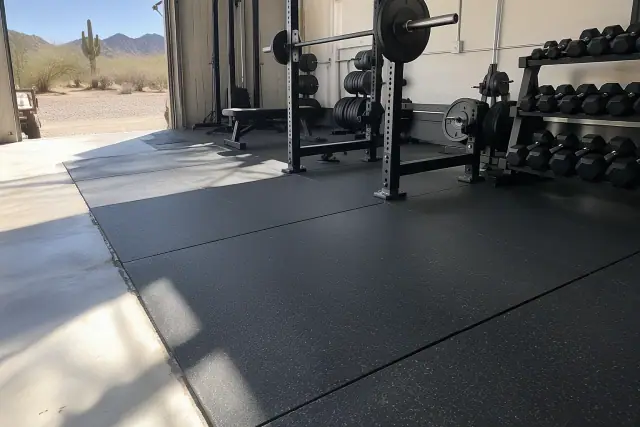
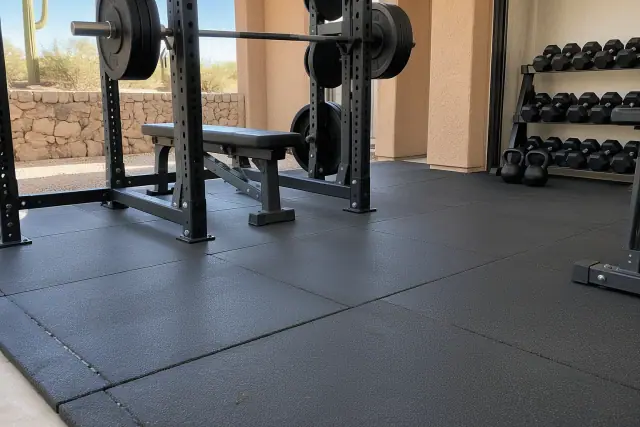
Dense interlocking rubber flooring installed beneath heavy weight racks in Apache Junction, AZ.

Vulcanized rubber rolls and interlocking tiles suit home gyms, training studios, and weight rooms. We assess the equipment footprint and impact loads, then recommend a thickness and layout that protect the slab and keep seams out of heavily used lifting zones.

Explore Service
Garage Rubber Flooring

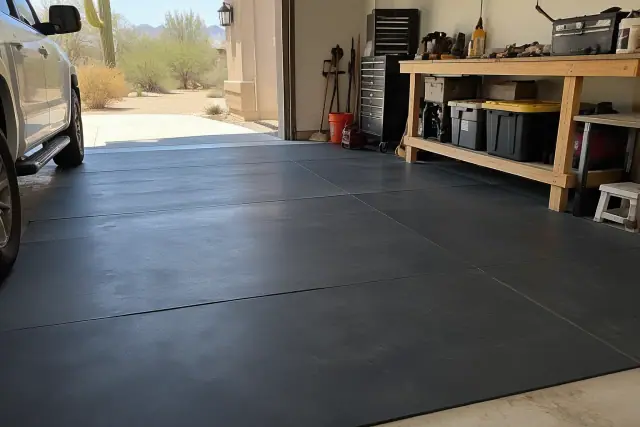
Heavy-duty rubber flooring roll installed on a concrete garage floor in Apache Junction, AZ.

Garage installations need adhesives and rubber selected for heat and sunlight. We use heat-stable adhesive systems and UV-resistant stock where exposure calls for them, with mechanically interlocking options for unconditioned garages.

Explore Service

Rolled Rubber Flooring

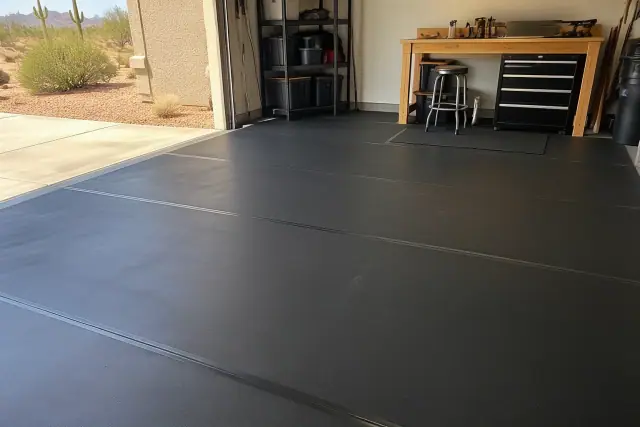
Black rolled rubber flooring installed on a garage concrete floor in Apache Junction, AZ.

Rolled rubber creates broad flooring runs with fewer seams, making it useful around plate-loaded equipment and barbell platforms. We hand-cut rolls to fit irregular rooms and seam the material on site with polyurethane adhesive where appropriate.

Explore Service

Rubber Floor Tile Installation

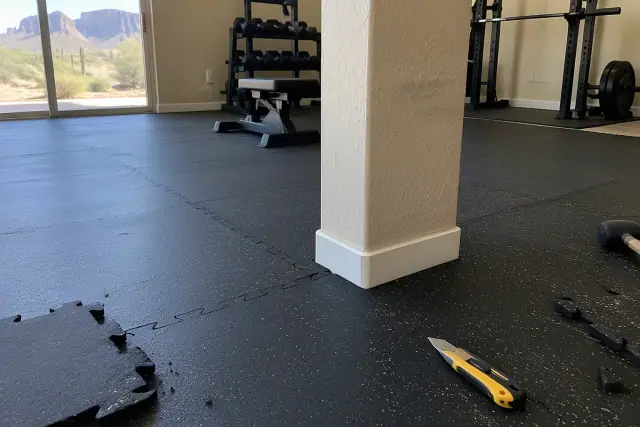
Puzzle-edge rubber floor tiles fitted tightly around a corner column in an Apache Junction, AZ home.

Interlocking tiles allow individual sections to be lifted or replaced. We dry-lay the pattern around walls, columns, and equipment anchors, then finish the perimeter with adhesive or transition strips suited to the substrate.

Commercial Rubber Flooring

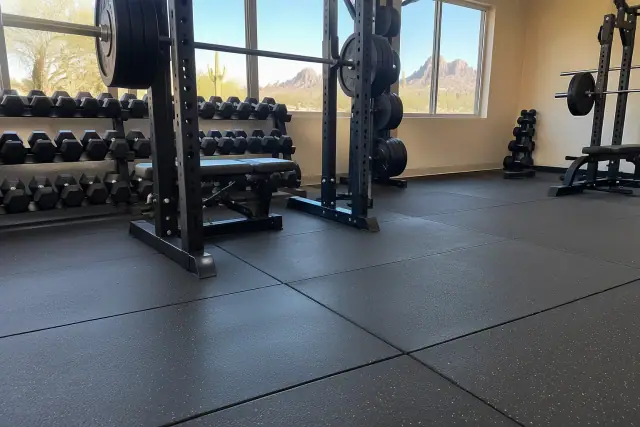
Thick interlocking rubber flooring installed under heavy weights in Apache Junction, AZ.

Commercial-grade sheet and tile flooring serves gyms, physical therapy clinics, and fitness studios with continuous public traffic. Material spec sheets, a written scope, and a final walkthrough help facility owners review the installation and its finished transitions.

Playground Rubber Surfacing

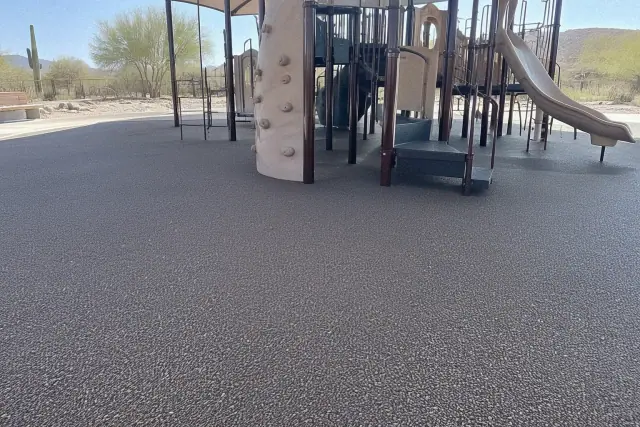
Textured poured-in-place rubber safety surfacing curing at a park in Apache Junction, AZ.

Playground rubber surfacing pairs a shock-absorbing base with a colored wearing surface. We plan the bonded layout and discuss accessibility, impact attenuation testing, and documentation as part of selecting the surfacing for public play areas.

Poured-in-Place Rubber Flooring

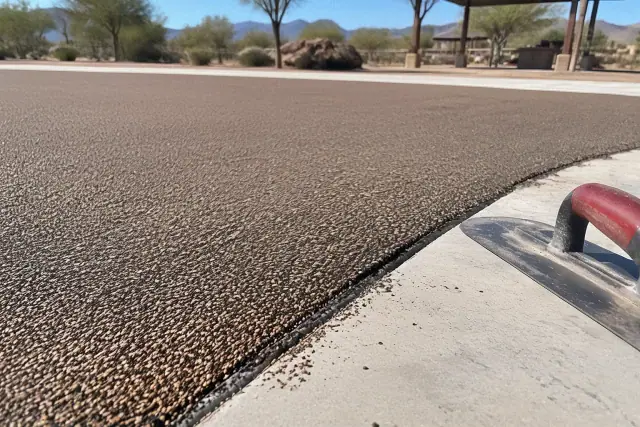
Poured-in-place rubber safety surfacing installed at a desert park in Apache Junction, AZ.

Poured-in-place rubber uses a two-layer build: a cushioning base mat topped with a colored EPDM wearing surface. Troweling the material on site creates a seamless finish for layouts where joints would collect water or debris.

Industrial Rubber Flooring

Thick interlocking rubber flooring installed beneath heavy weight racks in Apache Junction, AZ.

Workshops, warehouses, and industrial bays need material selection based on rolling loads, chemical exposure, and forklift traffic. We install heavy-gauge rubber matting and rolled systems sized to the demands of the working area.

Anti-Fatigue Rubber Flooring

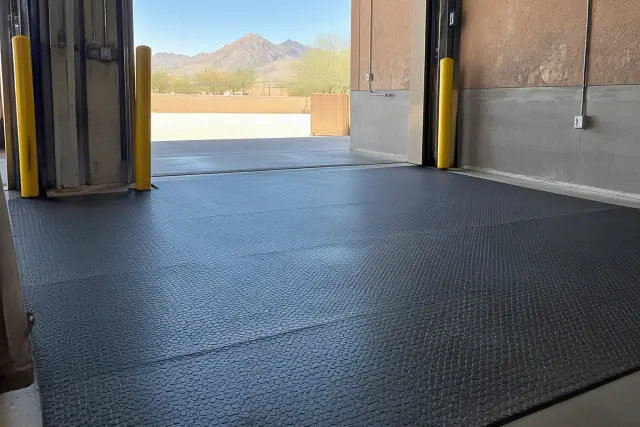
Anti-fatigue rubber flooring installed in an industrial shipping zone in Apache Junction, AZ.

Anti-fatigue rubber matting provides cushioning at standing workstations, front counters, and production lines. We fit each mat to the station dimensions and use beveled edges to reduce abrupt changes at the perimeter.

Rubber Flooring Repair & Replacement

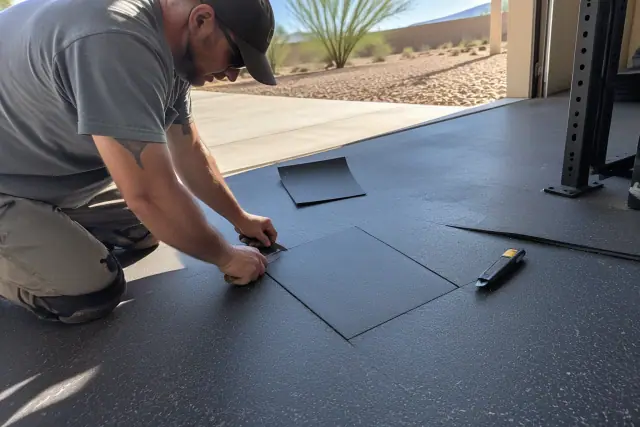
Technician repairing torn commercial sheet rubber flooring in Apache Junction, AZ.

Lifted seams, curling edges, and worn sections deserve an assessment before choosing repair or replacement. We review the existing rubber, adhesive, and slab conditions so the proposed work addresses the source of the flooring problem.

Material Selection

Choose Rubber Flooring for Your Space

Start with the equipment, slab condition, and exposure of the room. If you are comparing a garage conversion here with a facility in Phoenix, AZ , note each space's sunlight and climate control before choosing the same material for both.

Match Thickness to Training

For bodyweight exercise, yoga, and lighter weight work up to roughly 75 pounds, 8mm rubber is a standard starting point. Heavier strength training and deadlift areas call for 3/4 inch or thicker material, selected around the actual lifting setup.

Choose Rolls or Removable Tiles

Rolls suit dedicated weight rooms where fewer seams are useful. Interlocking tiles make it easier to remove sections or move the flooring later, particularly in rooms where walls and columns complicate the layout.

Account for Sun and Climate Control

Direct sunlight through west-facing doors or windows changes the material specification. UV-stabilized rubber and suitable adhesives matter in exposed spaces, while mechanically interlocking floors are worth considering in unconditioned outbuildings.

Check the Slab Before Buying

A clean-looking slab can still have moisture, curing compounds, or uneven areas that interfere with adhesion. Testing and preparation should be part of the plan before a roll size, tile pattern, or adhesive is selected.

Compare the Complete Scope

Budget-grade material for a small DIY room can run $230 to $380, excluding seaming, wall base, and uneven-slab correction. Compare that limited scope with an installed quote that identifies preparation, material, and finish work.

Zone a Performance Training Floor

CrossFit platform and deadlift zones typically use heavy-duty rubber from 3/4 inch to 1 inch thick. General exercise areas can use thinner tile, while rubber-to-turf transitions need careful detailing to avoid snag points during sled or sprint work.

Apache Junction Floor Conditions

Common Rubber Flooring Problems

Apache Junction's exposed slabs can swing 40 degrees between morning and afternoon. Add dust, humidity spikes, and repeated equipment impact, and a floor needs more than a tidy surface layout to stay serviceable.

Request a Flooring Assessment

Heat-Related Tile Lifting

Summer garage slab surfaces can reach well above 120 degrees, challenging adhesives that are not rated for that exposure. Daily expansion and contraction can contribute to lifted tiles and curling edges.

Moisture Beneath the Rubber

Skipping moisture testing can leave an adhesive installation vulnerable, especially on older slabs without a vapor barrier. Moisture checks help identify substrate conditions before rubber covers the concrete.

Fading and Surface Chalking

Lower-grade rubber compounds can fade or chalk after repeated UV exposure. Sunlight through garage doors and windows should be considered when choosing between standard recycled rubber and UV-stabilized material.

Dust and Humidity During Installation

Decomposed granite dust can reach indoor floors and HVAC systems, while monsoon humidity can affect adhesive cure times. Substrate cleaning, weather-aware scheduling, and suitable adhesive formulations help address these installation conditions.

Damage in Heavy Lifting Zones

Repeated barbell drops concentrate stress on particular areas and seam lines. Foam compresses and tears under free-weight impact, so material density, rubber thickness, and seam placement need to match the lifting activity.

Gaps and Abrupt Floor Edges

Poorly fitted seams and unfinished thresholds create awkward changes underfoot. Dry-laying the floor and planning wall edges, door clearances, and transitions help avoid gaps and raised edges around equipment and entrances.

Our Approach

Why Choose Mesa Rubber Flooring for Your Project

We assess the floor as a complete installation, from the concrete underneath to the thresholds you cross each day. Material choices reflect how the space will be used, and we walk the finished work with you before completion.

Measured Quotes and Written Scopes

We measure the room and account for equipment footprints, door swings, and site preparation before quoting. Commercial projects include a written scope and material spec sheets so the proposed work is clear.

Installation Around Your Business

Active gyms can discuss scheduling around business hours, including nights or weekends where the project allows. Phasing a commercial installation by zone can let an owner start with the weight room and expand into cardio or studio areas later.

Follow-Up on Installation Issues

We stand behind our workmanship and address installation issues that surface after completion. The final walkthrough gives you an opportunity to review seams, transitions, and fit before the job is called complete.

From Slab to Finished Floor

Our Rubber Flooring Installation Process

Most residential installations take one to two days, depending on square footage. Commercial and poured-in-place work can take longer because the scope and cure time differ; we discuss those details while planning your project.

01.

Measure and Assess the Slab

We measure the room and check moisture using a calcium chloride or relative humidity test. Cracks, expansion joints, and surface conditions are noted so preparation needs are understood before material is installed.

02.

Finalize Material and Layout

We compare rolled rubber, interlocking tile, and poured-in-place options against your equipment, budget, and slab condition. Door swings and training zones guide the layout as well as the required thickness.

03.

Prepare the Concrete

We grind or degrease the substrate as needed and check that it is clean and level. Curing compounds and other surface contamination that interfere with adhesion are addressed before the flooring goes down.

04.

Dry-Lay and Check the Fit

Tiles or rolls are laid out before final placement to check wall lines, columns, and equipment anchors. This step helps minimize seams and identify cuts before the material is fixed in position.

05.

Install and Finish the Edges

We install with manufacturer-specified adhesive or mechanical fastening appropriate to the selected floor. Transitions, thresholds, and wall bases complete the perimeter and connections to adjoining surfaces.

06.

Walk Through the Finished Floor

We review the installed floor with you, including seams, transitions, and the fit around equipment areas. For commercial work, the walkthrough also provides a chance to review the agreed scope and material documentation.

Flooring Applications

Rubber Floors for Different Training Needs

Case Study 1: Garage strength training: A dedicated lifting area can use thicker rolled rubber or stacked interlocking tiles where impact is concentrated. The rest of the room can be selected around general exercise, equipment clearance, and the garage's temperature exposure.

Case Study 2: Commercial gym traffic: Owners need flooring that handles thousands of foot-strikes a week and avoids early seam opening or visible wear within six months. Commercial-grade material, load-based thickness, and planned transitions address those demands during specification.

Case Study 3: Standing workstations: Rubber matting cut to the station footprint adds cushioning for long periods on your feet. Beveled edges help the mat meet the surrounding floor without an abrupt raised perimeter.

Discuss Your Project

Plan Your Rubber Flooring Installation

Tell us about your training equipment, room size, existing slab, and preferred timeline. Mesa Rubber Flooring can measure the space and provide a written quote for the materials, preparation, and finish work your project needs.

Flooring Questions

Rubber Flooring FAQs for Apache Junction, AZ

Compare formats, costs, installation timing, and care before choosing your floor. These answers cover common questions from home gym owners and commercial operators.

Call About Your Floor

Mesa Rubber Flooring supplies and installs rolled rubber, interlocking tile, and poured-in-place systems. We handle measurement, material selection, and installation as one job, giving you a single point of contact for fit and seam questions.

Installed gym rubber flooring typically runs $3 to $12 per square foot, depending on thickness, format, and site preparation. Large commercial buildouts can cost significantly more once subfloor correction, seaming labor, and finish work are included. A written quote after measurement identifies the scope for your space.

General fitness and lighter weight work usually need less thickness than deadlifts or Olympic lifting. We size the rubber around the equipment and impact in each area, using thicker material in lifting zones where needed. Vulcanized rubber provides a dense surface for repeated heavy use.

Properly installed rubber gym flooring typically lasts 15 to 25 years. Direct UV exposure, heat, and the choice of material can shorten that lifespan in an unconditioned garage. UV-stabilized compounds, regular cleaning, and prompt attention to lifted seams help preserve the floor.

A small interlocking-tile project in a spare room may suit a careful DIYer. Slab moisture testing, adhesive selection, and rolled-rubber seam work need closer attention, particularly in garages with strong temperature changes. Professional installation brings those checks into the project before the material is laid.

Interlocking tiles suit spaces where individual sections may need to be removed or replaced. Rolls reduce seams across dedicated weight rooms. Poured-in-place rubber offers a seamless, custom-colored finish, with a higher cost and longer installation time to consider.

Room size, slab preparation, layout complexity, and the selected flooring format affect the schedule. Adhesive cure time also matters, particularly during humidity changes. Commercial and poured-in-place jobs generally need more time than a straightforward residential tile or roll installation.

Yes, with material and installation choices that account for heat, sunlight, and daily thermal cycling. We favor mechanically interlocking systems in many unconditioned garages and outbuildings. Where adhesive is used, it must suit the substrate and expected heat exposure.

Moisture can affect adhesive performance even when the concrete looks dry. Older slabs without a vapor barrier deserve particular attention. Calcium chloride or relative humidity testing helps inform substrate preparation and adhesive selection.

We recommend poured-in-place rubber where a bonded, seamless play surface is needed. Its cushioning base and EPDM wearing layer serve different roles in the finished surface. Planning should address applicable ADA accessibility considerations and ASTM F1292 impact attenuation testing and documentation.

We can discuss nights, weekends, and a phased installation around the facility's operating schedule. A project can begin with the weight room and expand to cardio or studio areas later. The agreed plan needs to account for preparation and cure time as well as access to each zone.

We assess rolling loads, forklift traffic, and chemical exposure before selecting heavy-gauge matting or rolled rubber. The material specification needs to reflect the work performed in the bay or warehouse. A general exercise-room product should not be assumed suitable for those conditions.

We work in Gold Canyon, Queen Valley, Superstition Vistas, and properties along the Peralta Trail and US-60 corridors, as well as near Signal Butte Road and Ironwood Drive. Coverage includes neighborhoods around the Apache Trail and Old West Highway junction. With roughly 38,500 residents spread across Apache Junction's low-density footprint, travel time is included in project scheduling and estimates.

Regular cleaning helps keep tracked-in dust from accumulating on the surface. Have lifted seams or edges assessed promptly rather than leaving them to worsen. Floors in climate-controlled indoor rooms generally face less thermal cycling than those in exposed garages.

Anti-fatigue matting adds cushioning at counters, production lines, and other stations where people stand for long shifts. We fit it to the station dimensions and use beveled edges to reduce abrupt changes at the perimeter. The layout should keep the mat suited to the working area and surrounding traffic.