Proudly serving Mesa, Gilbert, Chandler, Tempe, Scottsdale, Queen Creek & surrounding areasCall or Text 24/7: 480-319-7553
Aerial drone view of suburban neighborhoods and desert landscaping in Mesa, AZ.

Gym & Home Gym Rubber Flooring in Fountain Hills, AZ for Workout Rooms & Facilities

Mesa Rubber Flooring installs gym and home gym rubber flooring throughout Fountain Hills, AZ. We fit garage rubber flooring and rolled rubber surfaces to workout rooms, converted garages, and commercial training spaces. Our team handles material selection, subfloor preparation, installation, and repairs. Choose from rolls, interlocking tiles, and poured-in-place surfaces matched to how you use the space.

At the base of the McDowell Mountains, summer surface temperatures on concrete slabs and garage floors regularly exceed 140 degrees. Heat, UV exposure, and dust make the product and adhesive choice especially important here. We inspect moisture conditions and the existing floor before recommending a surface for your equipment and room. Call to arrange a free in-home or on-site measurement and discuss the preparation your project needs.

We serve homes near Fountain Park and in Firerock, Eagle Mountain, and Adero Canyon, along with local fitness studios and commercial properties. Our crews are licensed to work in Maricopa County and carry liability insurance on every job.

★ ★ ★ ★ ★4.9/5 Customer Rating - 19 Years of Flooring Experience - 1,000+ Flooring Projects Completed - Licensed, Bonded & Insured - Residential & Commercial Flooring
Flooring Services

Rubber Flooring Services in Fountain Hills, AZ

Choose flooring for daily workouts, busy business interiors, outdoor play areas, or an existing surface that needs repair. We match each installation to the subfloor, expected impact, traffic, and exposure. From a spare-room gym to a full commercial buildout, the service starts with understanding how the floor will be used.

Gym & Home Gym Rubber Flooring
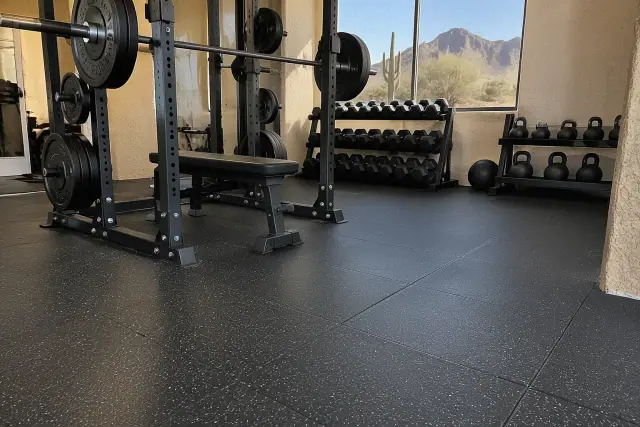
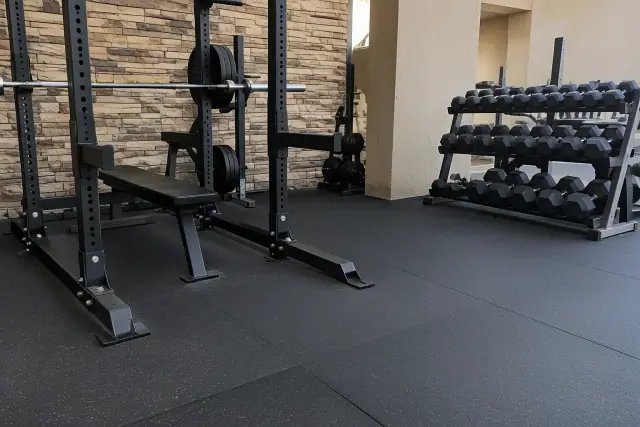
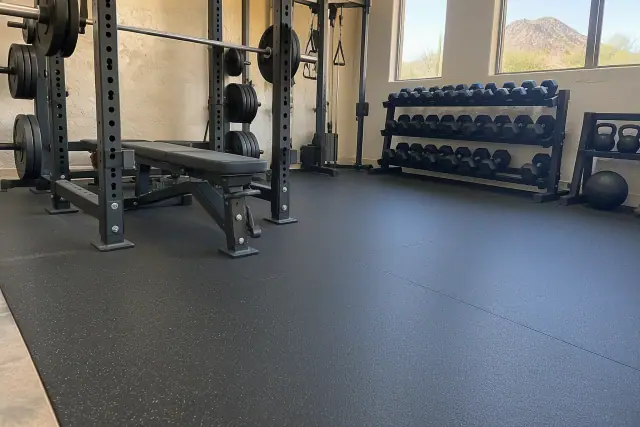
Thick black rubber gym flooring installed under barbell racks in Fountain Hills, AZ.

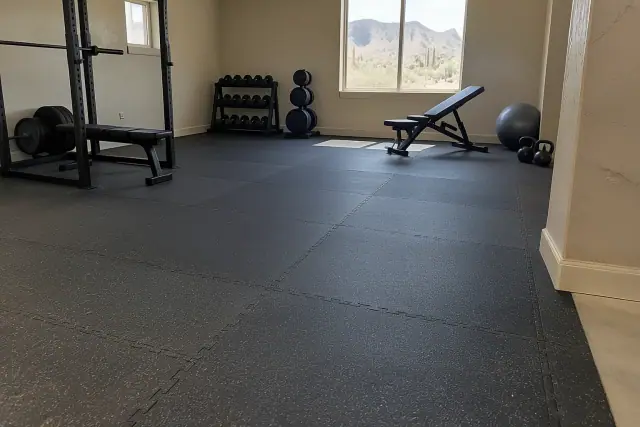
We install rubber flooring in home workout rooms, fitness studios, and athletic spaces. Most residential projects cover 150 to 400 square feet, with material fitted to limit seams. Gym flooring thickness commonly starts at 3/8 inch for cardio and general fitness and reaches 3/4 inch or greater for dedicated lifting platforms.

Explore Service
Garage Rubber Flooring

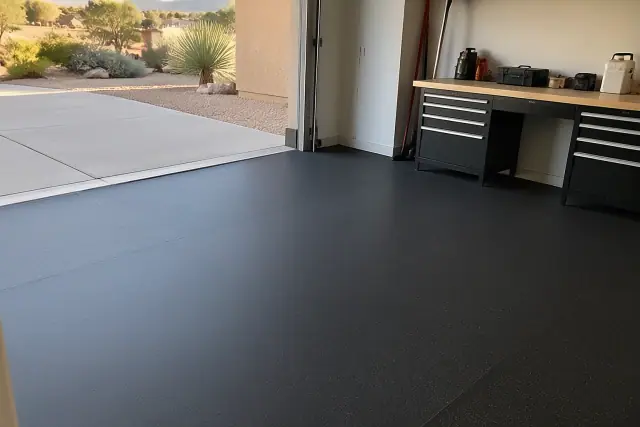
Heavy-duty rubber flooring installed in a garage in Fountain Hills, AZ, covering concrete and workbench areas.

Interlocking PVC-backed rubber tiles and rolled matting suit garages used for exercise or workshop activity. We check cracks and moisture before selecting material for oil exposure and Sonoran Desert heat cycling, including garage interiors that regularly exceed 110 degrees in summer. Slab preparation and secure edges help the surface stay in place.

Explore Service

Rolled Rubber Flooring

Rolled rubber flooring installed under barbell racks in Fountain Hills, AZ.

Rolled rubber creates a continuous surface with fewer seams across open gym floors and weight rooms. We cut rolls on-site in the selected thickness and color, then secure them with professional-grade adhesive or double-sided tape as the substrate requires. Rolls are useful when sound dampening and a consistent finish matter.

Explore Service

Rubber Floor Tile Installation

Rubber floor tile installation in a residential basement exercise space in Fountain Hills, AZ.

Interlocking and glue-down rubber tiles offer modular layouts for home gyms, studios, and multi-purpose rooms. Thickness ranges from 3/8 inch for light use to 1 inch or more for dedicated strength zones. Individual damaged tiles can be replaced without removing the entire room's floor.

Commercial Rubber Flooring

Commercial rubber flooring installed under heavy barbell racks in Fountain Hills, AZ.

We install commercial rubber flooring in fitness studios, physical therapy clinics, and office break rooms. High-traffic adhesive systems and low-VOC options support busy indoor spaces, with installation coordinated around business hours when possible. Material, seams, and layout are selected for the equipment and daily foot traffic.

Playground Rubber Surfacing

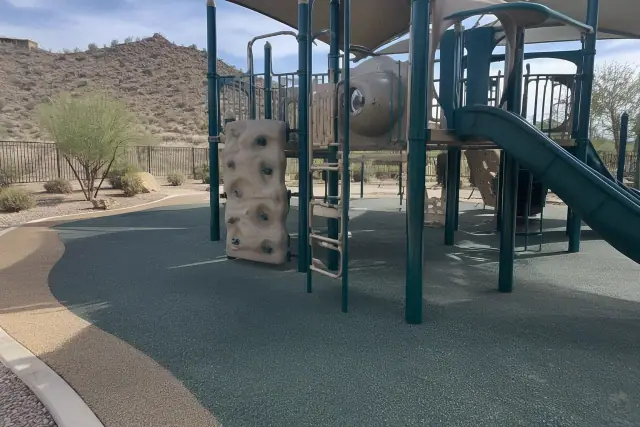
Poured-in-place rubber safety surfacing around a playground structure in Fountain Hills, AZ.

Poured-in-place rubber and rubber tile surfacing provide impact attenuation for residential playgrounds, HOA common areas, and schools. We select surfacing to meet ASTM F1292 fall-height protection requirements and account for direct desert sun. The project specification needs to reflect the play equipment and its fall height.

Poured-in-Place Rubber Flooring

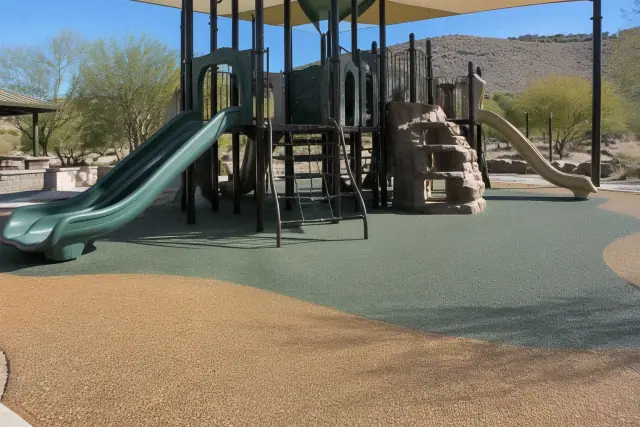
Poured-in-place rubber flooring at a recreation park play structure in Fountain Hills, AZ.

Poured-in-place rubber creates a seamless, custom-colored finish for playgrounds, therapy spaces, and home gyms. We mix EPDM rubber granules with polyurethane binder on-site and trowel the surface to a consistent thickness. Typical curing takes 24 to 48 hours, depending on temperature and humidity.

Industrial Rubber Flooring

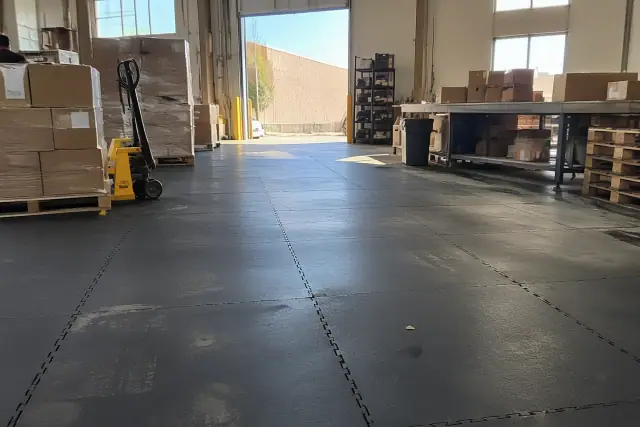
Industrial rubber flooring installed in a warehouse shipping zone in Fountain Hills, AZ.

Warehouses and workshops need rubber selected for heavy equipment, chemical exposure, and repeated foot traffic. We use high-density compounds rated for point loads and abrasion resistance. They suit demanding applications where standard commercial flooring can wear through within a year or two.

Anti-Fatigue Rubber Flooring

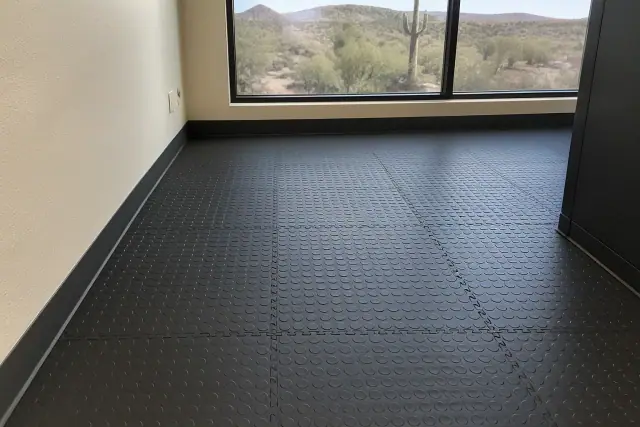
Interlocking anti-fatigue rubber flooring installed inside a technology office in Fountain Hills, AZ.

Anti-fatigue matting and rubber tiles add cushioning where trainers, staff, or homeowners stand for long periods. We fit gym front desks, retail checkout areas, commercial kitchens, and home workstations. Sized surfaces and beveled edges help keep transitions clear underfoot.

Rubber Flooring Repair & Replacement

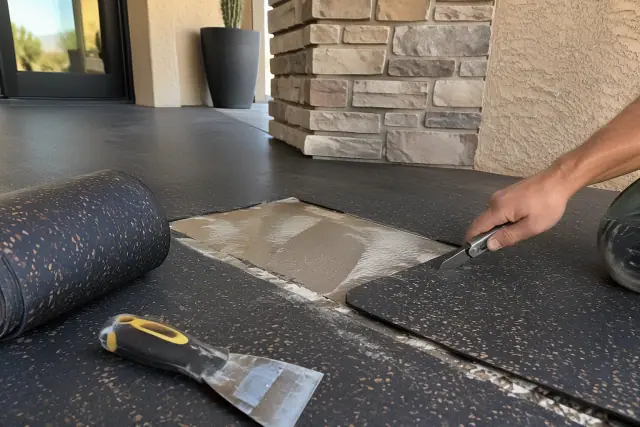
Contractor cutting and replacing damaged commercial sheet rubber flooring in Fountain Hills, AZ.

Separated seams, curling edges, and worn patches can often be repaired without a full tear-out. We inspect the floor before recommending tile replacement, seam re-gluing, or patching. When the material has reached the end of its useful life, full replacement includes removal and disposal of the old flooring.

Material Selection

Choose Rubber Flooring for Your Space

A room used for bodyweight exercise needs a different floor from one receiving dropped 300-pound barbells. Consider equipment loads, room size, sun exposure, cleaning, and subfloor condition together. The right selection balances impact absorption, usable space, and the amount of preparation needed.

Match Thickness to Training

For CrossFit and functional fitness spaces, we typically use 3/4 inch to 1.5 inch thick rolled or tile rubber. High-density material handles barbell zones, tire flips, and sled work. Separating lifting platforms from general training areas puts heavier-duty flooring where it is needed.

Account for Heat and Sunlight

A climate-controlled spare room and a garage open to outdoor air need different product assessments. We consider direct sun, temperature changes, and the finish's tendency to hold dust. Adhesive selection matters just as much as the rubber in rooms exposed to desert heat.

Compare Rolls and Replaceable Tiles

Rolls reduce seam count across open areas, while modular tiles make spot replacement easier. Standard rolled and tiled product generally runs $3 to $12 per square foot. Premium poured systems and thicker weightlifting-grade rubber can reach $15 to $18 per square foot installed.

Set a Home Gym Material Budget

Basic interlocking tiles range from $2 to $4 per square foot, while premium rolled rubber and poured systems range from $8 to $18 per square foot. Many local home gym selections fall in the $4 to $7 per square foot range installed. Product thickness and the room's preparation needs guide the final quote.

Check the Slab Before Installation

Cracks, uneven concrete, and moisture vapor can undermine a new rubber surface. We inspect and test the subfloor before specifying repairs, grinding, or a moisture barrier. This is especially useful for slab-on-grade spaces affected by monsoon-season humidity.

Plan for Cleaning and Repairs

Surface texture affects how easily tracked-in desert dust can be removed. Use pH-neutral cleaners and address seam separation promptly to help preserve the floor. If easy spot repair is a priority, discuss a tile layout before choosing a continuous rolled surface.

Desert Flooring Challenges

Common Rubber Flooring Problems

Fountain Hills flooring faces heat cycling, sun exposure, dust, and concentrated equipment loads. Curling edges, brittle surfaces, or an odor beneath the rubber can point to different causes. An inspection helps determine whether the floor needs a local repair, a change in specification, or replacement.

Request a Floor Inspection

Seams Stressed by Heat Cycling

A 115-degree July afternoon and a 45-degree December night illustrate the temperature swings local flooring can face. Expansion and contraction put stress on seams and adhesive bonds. Commercial-grade adhesives rated for wide temperature ranges help address this exposure.

Brittle Tiles and Sun Damage

UV exposure through garage windows and skylights can leave cheaper PVC-backed tiles brittle within a couple of years. Lower-grade foam tiles may crack within a season or two in dry heat. Hardening, cracking, and curling edges call for a review of the material and its exposure.

Moisture Trapped Under Rubber

Monsoon humidity and slab moisture can affect a floor even in a dry climate. Persistent odor beneath the surface or a weakened adhesive bond deserves inspection. We test the concrete and apply a moisture barrier when slab conditions require it.

Desert Dust Held in the Surface

Decomposed granite and desert soil travel into garages and gyms with daily use. Some rubber textures retain more of that dust than others. We recommend finishes with the room's exposure and cleaning needs in mind.

Impact and Noise Through the Floor

Dropped weights can send vibration into a slab or the floor joists below an upstairs workout room. In two-story homes with rooms over garages, floor thickness and underlayment both matter. We match the specification to the lifting equipment to reduce noise transfer and help protect the structure.

Uneven Wear and Lifting Edges

Busy lifting zones and equipment positions can wear faster than the surrounding floor. Loose seams or raised edges create an uneven walking surface. Tile replacement, seam re-gluing, and localized patching can restore affected areas when the remaining material is sound.

Local Flooring Experience

Why Choose Mesa Rubber Flooring in Fountain Hills, AZ

Our work focuses on rubber flooring installation and repair for residential and commercial spaces. We plan around the property's existing slab, equipment, access, and intended use. That approach connects material choice with preparation and the finished floor's day-to-day demands.

Experience with Local Properties

We have installed floors in Firerock, Eagle Mountain, and Adero Canyon homes, as well as smaller spaces near Fountain Park. Oversized garages and compact workout rooms call for different layouts. We also account for HOA appearance requirements in shared or visible areas.

Subfloor Evaluation Before Quoting

Every project begins with on-site measurement and a check for moisture, cracks, and unevenness. We discuss the intended equipment before recommending material and preparation. The quote follows that evaluation so the scope reflects the condition of the actual floor.

Installation Through Final Cleanup

Our team handles material selection, slab preparation, fitting, and finishing. Old flooring disposal is included when removal is part of the job. The final walkthrough covers seams, trimmed edges, and the completed work before we leave the site clean.

From Measurement to Finish

Our Rubber Flooring Installation Process

We begin with a site visit to measure the space, inspect the subfloor, and discuss how the room will be used. The installation plan sets the material, preparation, layout, and expected return to use. Work then follows these steps, with additional preparation wherever the floor needs it.

01.

Clean and Prepare the Subfloor

We clean the substrate, grind uneven concrete, and repair cracks as needed. Preparing a sound surface helps the rubber sit evenly and gives the specified adhesive a suitable base.

02.

Address Moisture Conditions

Moisture testing determines whether the slab needs a barrier before installation. When conditions call for one, we apply it as part of the preparation plan to help manage vapor beneath the floor.

03.

Lay Out and Dry-Fit the Material

We plan roll direction or tile placement before securing the surface. Dry-fitting helps minimize seams and fit the material to the room, equipment positions, and transitions.

04.

Secure the Rubber Flooring

We install the selected adhesive, taped, or interlocking system to the manufacturer's specification. Product choice and substrate conditions determine the appropriate fixing method for the space.

05.

Finish Seams and Trim Edges

We complete seam sealing and edge trimming for a finished walking surface. Anti-fatigue areas receive appropriate beveled transitions, and joints are checked for separation or movement.

06.

Walk Through and Clean Up

We review the completed floor with you, remove job debris, and explain when the space can return to use. When the method allows, work can be sequenced to prioritize walkable areas.

Practical Flooring Uses

Flooring Choices for Local Homes and Businesses

Case Study 1: Compact home gyms: In smaller homes near Fountain Park, a carefully fitted tile or roll layout helps make the available workout space useful. Material selection starts with whether the room supports cardio, yoga, or strength training.

Case Study 2: Functional fitness studios: Our work in Fountain Hills and Scottsdale includes layouts that separate lifting platforms from general training areas. Thicker rubber under barbell zones concentrates impact protection where the equipment demands it.

Case Study 3: Custom home wellness rooms: Poured and rolled rubber installations in Paradise Valley, AZ often pair a home gym with anti-fatigue flooring in an adjacent wellness or recovery space. Different activities within the same home can call for different surfaces.

Plan Your Flooring Project

Schedule Your Free On-Site Measurement

Tell us about your gym, garage, playground, or commercial flooring project in Fountain Hills. We will measure the space, review the subfloor, and discuss products suited to the intended use. Contact Mesa Rubber Flooring to arrange your free in-home or on-site measurement.

Flooring Questions

Rubber Flooring FAQs for Fountain Hills, AZ

Find answers about buying rubber flooring, installed costs, thickness, project timing, and care. These details can help you prepare for an on-site evaluation and compare materials for your room.

Call About Your Floor

Mesa Rubber Flooring supplies and installs rolled rubber, interlocking tiles, and poured-in-place surfaces directly. We match the material to the subfloor and intended use before installation. Measuring, cutting, and securing the flooring are handled as part of the project.

Installed rubber gym flooring in Fountain Hills typically runs $4 to $12 per square foot, depending on product type, thickness, and subfloor condition. A typical 300 square foot home gym installation ranges from $1,200 to $3,600, depending on the selected product. Premium poured systems and heavy lifting surfaces may cost more. We provide a firm quote after an on-site measurement and preparation review.

Start with the equipment and the room's layout. Interlocking tiles offer flexibility and straightforward spot replacement, while rolls create a cleaner, more continuous surface with fewer seams. A cardio and yoga room needs a different specification from a space with a squat rack and dropped barbells. We review the equipment list before recommending the product.

Look for experience with rubber flooring, appropriate insurance, and an on-site evaluation before a quote. Ask how the installer handles slab moisture and selects adhesives for Arizona's temperature changes. Mesa Rubber Flooring focuses on rubber flooring installation and repair, with local residential and commercial experience.

Most home gym and garage installations take one to two days, including preparation, layout, and adhesive cure time. Larger commercial installations and full gym buildouts typically take three to seven days, depending on square footage and the chosen surface. Poured-in-place work needs curing time before use. We set the project timeline during the initial visit.

For general fitness and cardio, 3/8 inch rubber is generally sufficient. Strength training involving dropped weights calls for at least 1/2 inch and often 3/4 inch to 1 inch under dedicated lifting areas. We may recommend standard thickness through the room with heavier material under a squat rack or platform. Underlayment can also improve sound dampening without changing the top layer's thickness.

Properly installed and maintained gym rubber typically lasts 10 to 20 years, depending on use intensity and product grade. Material quality, thickness, adhesive selection, and subfloor preparation all affect service life. Regular cleaning with pH-neutral cleaners and prompt seam repairs help limit avoidable wear.

Yes, we install interlocking rubber tiles and rolled matting in garages converted for exercise. We check cracks, moisture, heat exposure, and the equipment planned for the space. Product and adhesive selection need to account for a garage's conditions as well as its workout use.

We install rubber flooring for patio workout areas and impact-attenuating surfacing for playgrounds. Poured-in-place surfaces and rubber tiles serve different layouts and appearance needs. Outdoor selection must account for direct sun, and playground projects also need surfacing matched to the play equipment's fall-height requirements.

Our typical service radius covers roughly a 25 to 30 mile stretch from Fountain Hills across the East Valley and North Valley. We serve Scottsdale, Paradise Valley, Cave Creek, and Carefree, with additional residential and commercial work in Phoenix, Mesa, Tempe, and parts of Chandler. Contact us with the property location and project scope to discuss scheduling.

We account for HOA requirements that affect flooring appearance in shared or visible spaces. When a project requires a permit, we handle it through the Town of Fountain Hills building division. Our experience also includes installations on tribal land near the Fort McDowell Yavapai Nation and the Salt River Pima-Maricopa Indian Community, where permitting processes differ. Applicable requirements are reviewed for the particular property.

We coordinate installation around business hours when possible to reduce disruption. Preparation, adhesive curing, and poured-surface curing affect when each area can reopen. Where the installation method allows, we sequence the work to prioritize walkable areas. Commercial projects also use low-VOC adhesives suited to indoor spaces.

We install anti-fatigue matting and rubber tiles at gym front desks, retail checkout areas, commercial kitchens, and home standing workstations. The cushioning helps reduce strain during extended periods on your feet. Mats and tiles are sized to the work area, with beveled edges to improve transitions.

Individual tiles, separated seams, and localized damage can often be addressed with spot repairs. We inspect the material and adhesive bond before recommending tile replacement, seam re-gluing, or patching. Widespread brittleness, recurring edge curl, or persistent odor beneath the floor may call for a broader repair or replacement.

The free on-site visit includes measuring the space, checking the subfloor for moisture or damage, and discussing intended use. We review product options and the preparation needed before providing the quote. Installation planning covers layout, securing the flooring, seam and edge finishing, and cleanup. Old flooring removal and disposal are included when replacement is part of the job.